Font Size:
Preparing for Growing Wildfire Threats
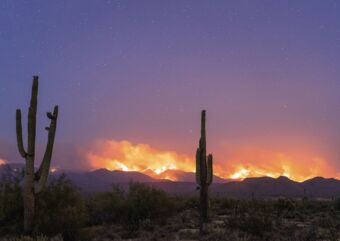 Across the U.S., the threat of wildfire has increased significantly in recent years. For electric utilities, the danger is all too real. Dry vegetation can easily ignite from power line contact during high winds, which accelerates the spread of wildfire.
In some cases, electric utilities may be financially liable for a fire linked to utility equipment. Electric utilities may be held responsible for the fire, its suppression costs, and any natural resource damages when they are not at fault under strict federal liability statutes, even when wildfires result from events beyond a utility’s control—such as wind-driven debris igniting fires.
Advocating for Better Processes
Utilities, including electric cooperatives, are advocating for reforms to reduce regulatory barriers that hinder wildfire prevention efforts. 1 of the biggest challenges is the complex and slow federal permitting process for grid-hardening projects and vegetation management.
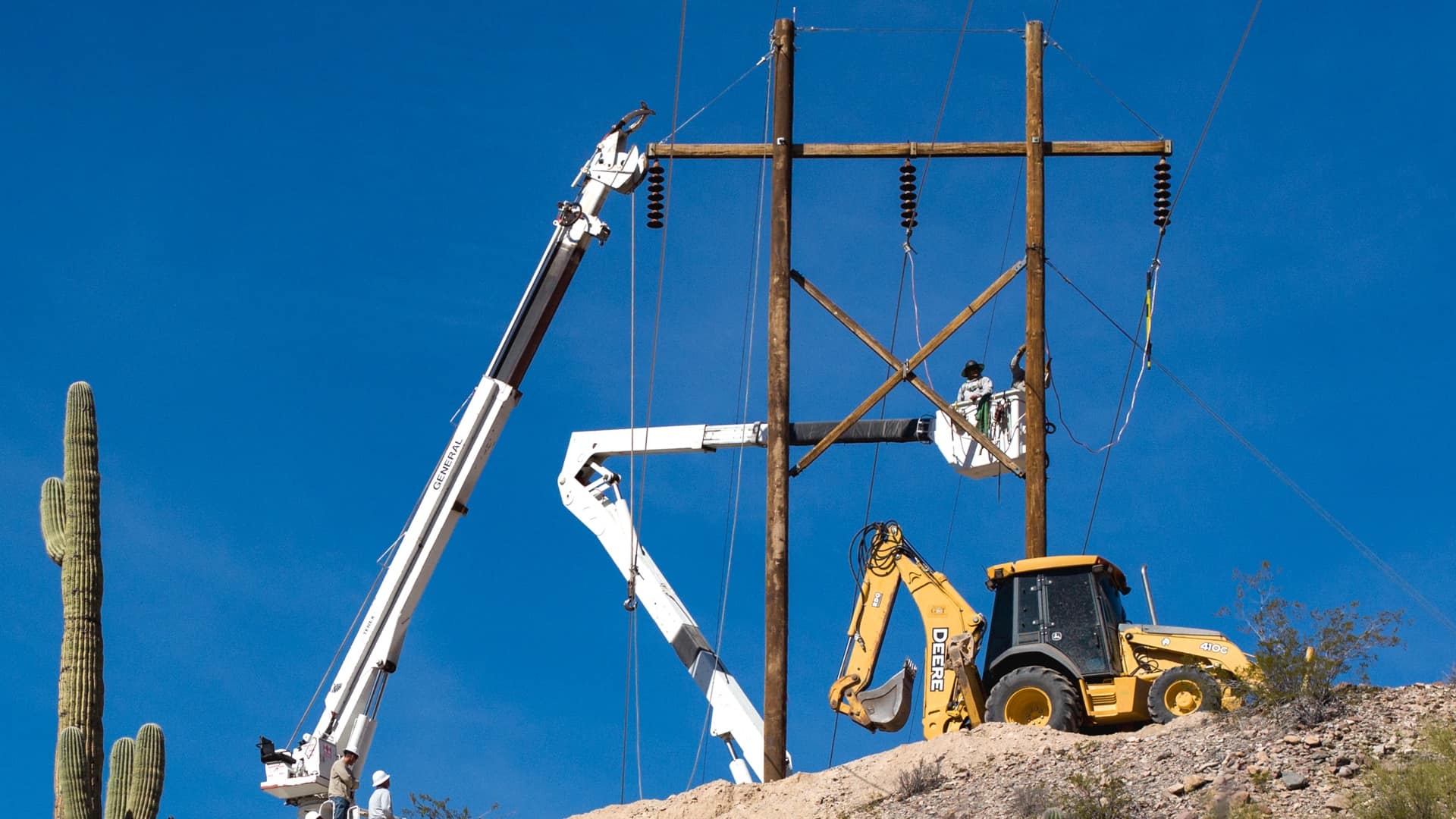
In some instances, it can take years to gain approval to remove a single hazardous tree, replace a wooden pole with a metal pole, or underground line. Even when approved, regulations may require utilities to leave cut trees on the ground, increasing fuel for future fires.
The Fix Our Forests Act, a bipartisan bill currently moving through Congress, aims to streamline these processes. It would expand vegetation clearance zones from 10 feet to 150 feet around power lines and shield utilities from unnecessary lawsuits. Utilities are also establishing forest operating agreements with the U.S. Forest Service to reduce strict liability.
Planning & Mitigation Strategies
As wildfire threats increase, many electric co-ops are creating detailed mitigation plans, which include strategic vegetation management, infrastructure and equipment upgrades, and Public Safety Power Shutoffs.
Co-ops are also using new and developing technologies to safeguard their local grids. Some technologies help reduce the risk of fire and minimize structural damage, such as fire-resistant utility pole covers and non-expulsion fuses, which eliminate the expulsion of gases and molten metal when tripped. Satellite and drone imaging, advanced power line sensors, and strategically placed pole cameras are just a few examples of how utilities can keep a closer eye on the local grid, weather conditions, and spot potential risks.
In addition to advocacy efforts and technologies to better protect against wildfires, co-ops understand that community collaboration is key. By working with government agencies, local businesses, and community groups, co-ops are better prepared for wildfire prevention and response.